

Introduction
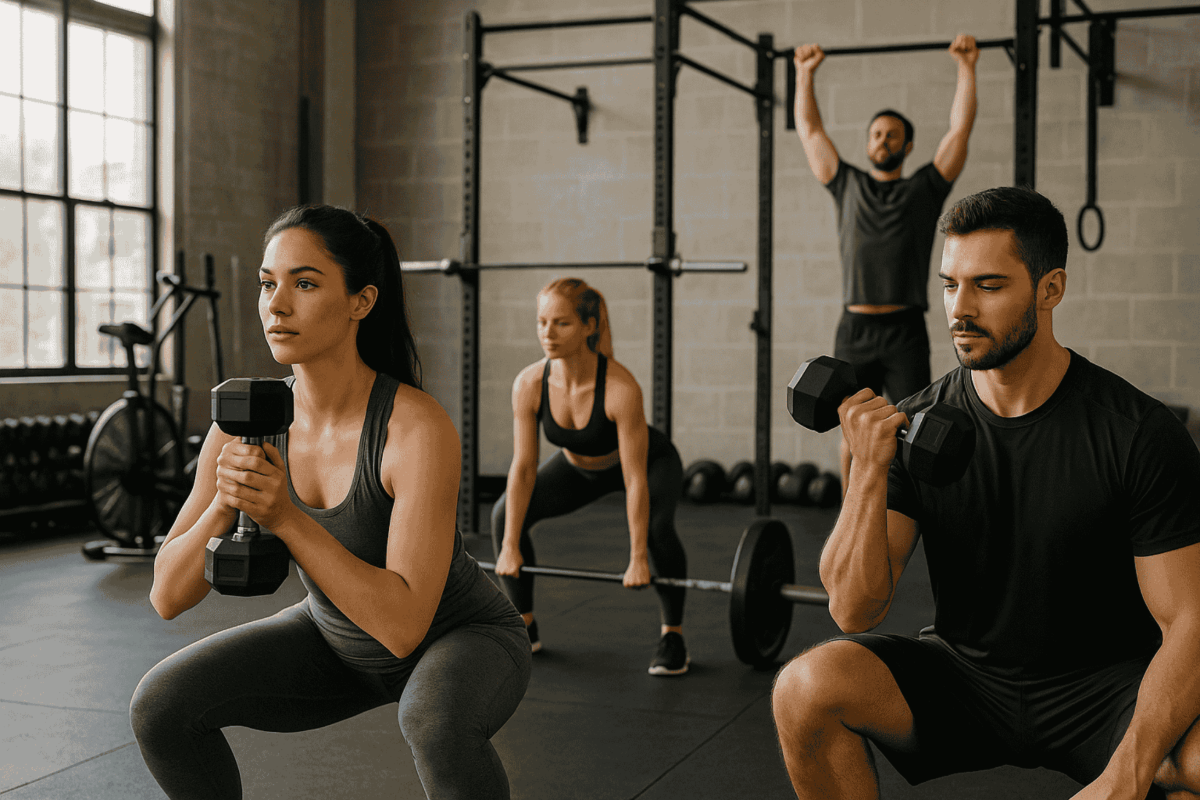
A beginner exercise program is the best way to start your fitness journey safely and effectively. You might wonder where to begin, what exercises to do, or whether you’re doing things the right way. The good news is that you don’t need a complicated plan to get started.
A simple and well-structured beginner’s exercise program can help you build strength, improve energy levels, and develop long-term healthy habits. Instead of pushing too hard in the beginning, the goal should be to stay consistent and progress gradually.
This guide will walk you through how to create a beginner-friendly workout routine that is effective, sustainable, and easy to follow in real life.
Why a Routine Matters for Beginners
It’s like embarking on a road trip without a map when you get into fitness without a plan. An appropriate fitness regimen for beginners gives guidance, fosters consistency, and reduces the risk of injury. Whether you want to get stronger, lose weight, or simply feel better, a well-organized plan will help you get there more quickly and intelligently.
Following a beginner exercise program helps reduce confusion and builds long-term fitness habits.
Weekly Beginner Workout Plan Template
| Day | Workout Focus | Type of Training | Time (mins) |
|---|---|---|---|
| Monday | Full Body | Bodyweight Circuit | 30 |
| Tuesday | Recovery + Mobility | Light Stretching or Walk | 20 |
| Wednesday | Upper Body | Resistance Bands or Dumbbells | 30 |
| Thursday | Cardio & Core | HIIT + Abs | 25 |
| Friday | Lower Body | Lunges, Squats, Glute Bridges | 30 |
| Saturday | Flexibility & Balance | Yoga or Pilates | 30 |
| Sunday | Rest | — | — |
Key Steps to Building a Workout Routine for Beginners
1. Establish Specific, Reachable Objectives
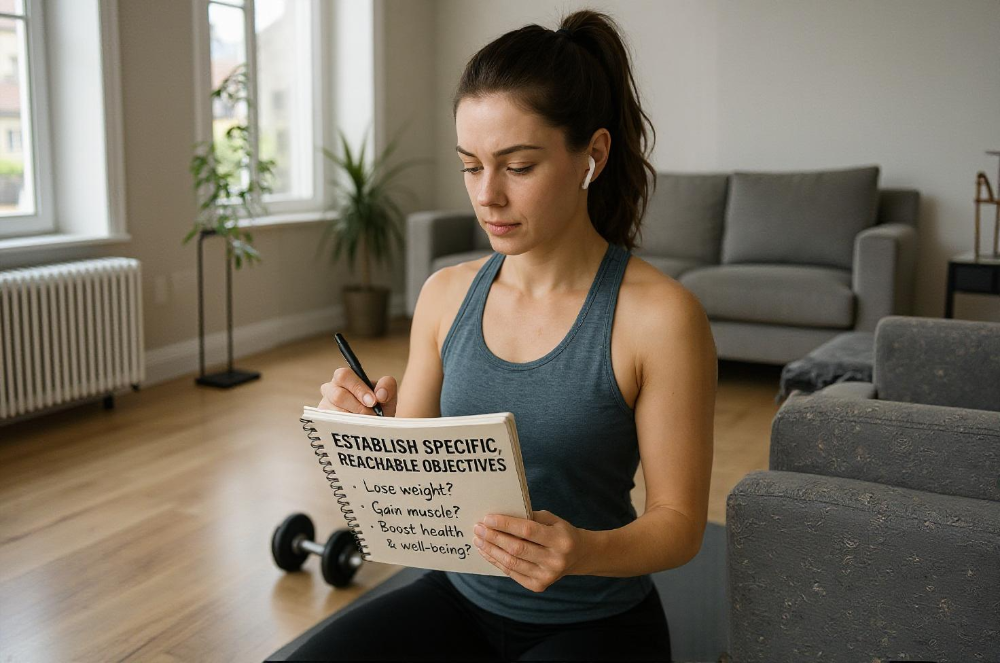
Prior to performing a single push-up, consider:
- Do I wish to reduce my weight?
- Get more muscle?
- Boost vitality and well-being?
Your strategy depends on your objective. For instance:
- Weight loss = Focus on exercising and burning calories.
- Muscle gain = Strength exercise should be prioritized.
- General health = Strength, flexibility, and cardio must be balanced.
2. Recognize Your Present Level of Fitness

Be truthful with yourself. Are you able to climb stairs without getting out of breath? What’s your maximum number of push-ups?
If you’re just beginning out, start with three days a week of 20–30 minute workouts. Aim for 4–5 days of various workouts as your endurance increases.
3. Choose Beginner-Friendly Exercises
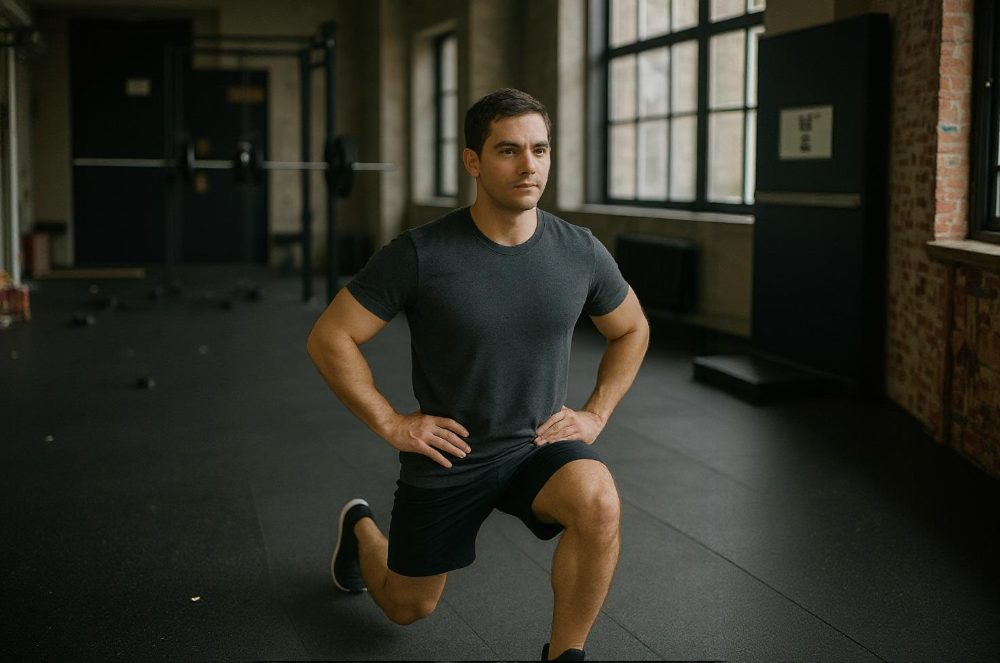
Stick with compound movements (exercises that work multiple muscle groups), like:
- Squats
- Push-ups (on knees if needed)
- Planks
- Lunges
- Walking or Cycling
Here’s a sample:
Beginner Full Body Circuit (No Equipment)
| Exercise | Reps/Time | Notes |
|---|---|---|
| Bodyweight Squats | 12 reps | Keep knees aligned with toes |
| Wall Push-Ups | 10 reps | Modify with knees if necessary |
| Glute Bridges | 15 reps | Squeeze at the top |
| Plank Hold | 20–30 seconds | Focus on core engagement |
| March in Place | 1 minute | Great warm-up or cool-down |
Repeat 2–3 rounds. Rest 1 minute between rounds.
The key is not to be perfect, but to stay consistent.
4. Build a Weekly Plan (and Stick to It)
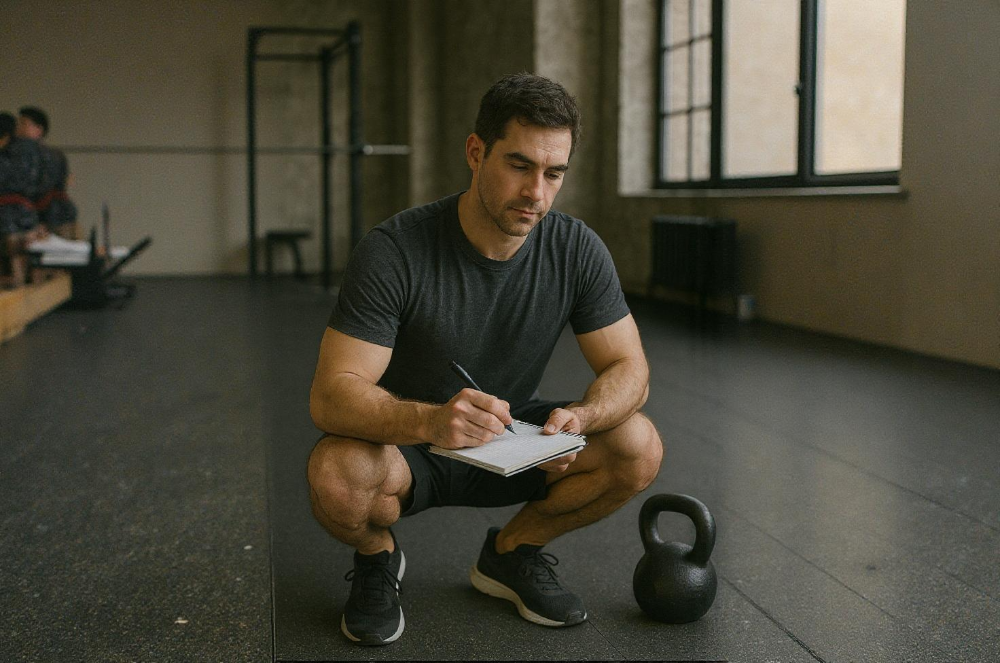
The first few weeks are all about building a habit. Use the workout table at the top of this blog as your starter plan.
5. Don’t Forget Warm-Ups and Cool Downs
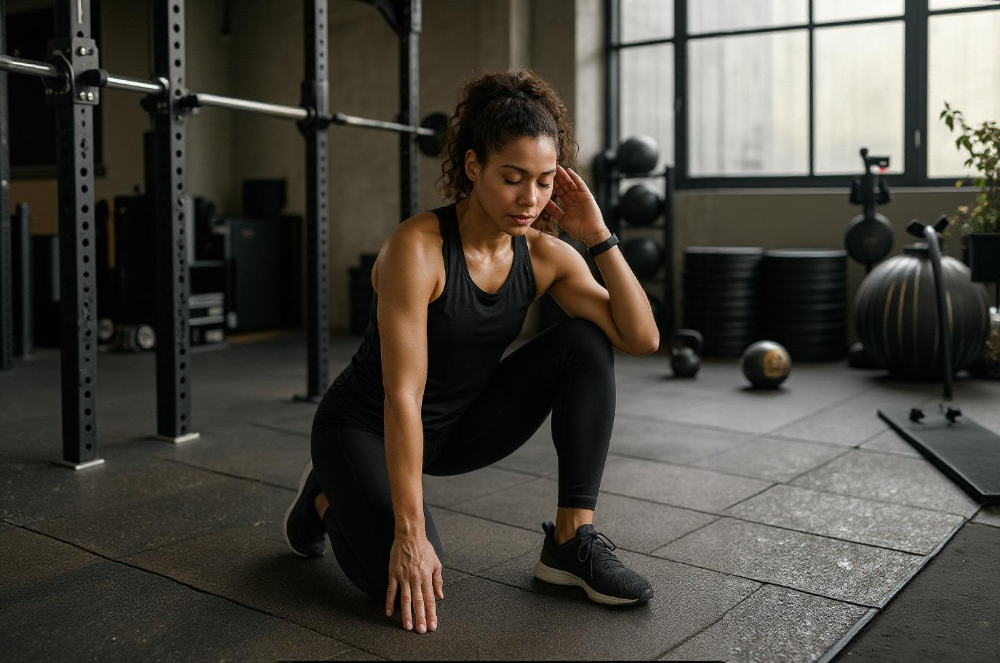
A 5–10 minute warm-up can include:
- Arm circles
- Leg swings
- Jumping jacks
Cool down with:
- Gentle stretching
- Deep breathing
- Foam rolling
This improves flexibility and reduces soreness.
6. Track Your Progress
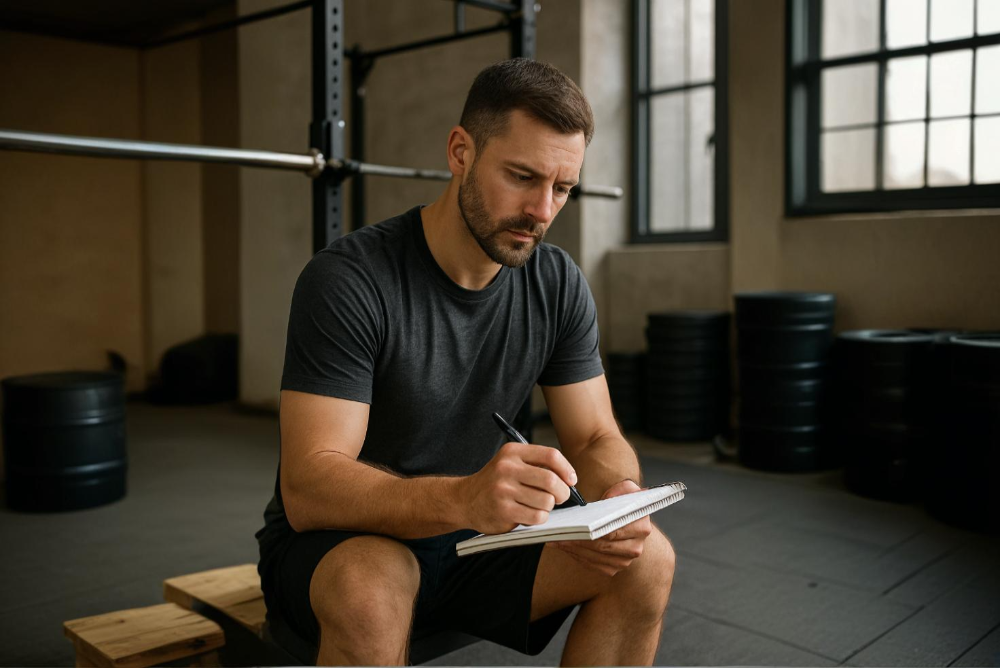
Use a fitness app, notebook, or spreadsheet to log:
- Exercises performed
- Reps and sets
- Weight used (if any)
- How you felt after each workout
Tracking keeps you motivated and shows your improvement over time.
Pro Tips for Sticking to Your Routine
| Tip | Why It Matters |
|---|---|
| Start Small | Prevents burnout and injury |
| Schedule Your Workouts | Builds accountability |
| Mix It Up | Avoids boredom and keeps muscles challenged |
| Listen to Your Body | Rest when needed to prevent overtraining |
| Celebrate Small Wins | Keeps you motivated with each milestone |
Struggling to stay consistent with your fitness routine? You’re not alone. Many beginners face challenges like lack of motivation, time constraints, or confusion about where to start.
👉 Check out our detailed guide on Overcoming Common Barriers to Health and Fitness: Practical Solutions for Everyone to discover practical, real-life strategies that can help you stay consistent and achieve your goals.
Need a Rest Day? That’s OK
Rest and recovery are not lazy days — they’re necessary. Muscles grow and repair during rest. So take that Sunday off guilt-free!
Recommended Gear for Beginners
| Item | Why It Helps |
|---|---|
| Resistance Bands | Great for at-home strength training |
| Yoga Mat | Comfort and grip for floor exercises |
| Dumbbells (5–15 lbs) | Adds challenge to bodyweight routines |
| Water Bottle | Stay hydrated throughout your session |
For more detailed, research-backed information on physical activity and overall health, you can explore these trusted resources:
👉 World Health Organization (WHO) – Physical Activity Guidelines
👉 CDC – Physical Activity Basics and Recommendations
Final Thoughts: Start Simple, Stay Consistent
It’s not that difficult to create a beginner’s exercise program. Simply begin slowly, take your time, and concentrate on improving rather than perfection.
Sticking to a beginner exercise program can help you achieve lasting results without burnout.
Remember, everyone started out as a beginner. This is something you can definitely do!
FAQs
What is the best way to start exercising as a complete beginner?
The best way to start is by setting realistic goals, choosing low-impact activities like walking or bodyweight exercises, and gradually increasing intensity as your fitness improves.
How many days a week should a beginner work out?
Beginners should aim for 3 to 4 workout sessions per week, allowing time for rest and recovery between workouts.
Do I need to join a gym to start an exercise program?
No, many beginner programs can be done at home using bodyweight exercises, resistance bands, or simple equipment like dumbbells.
How long should beginner workouts be?
Start with 20 to 30-minute sessions and gradually increase duration as your endurance builds.
Should I focus on cardio or strength training first?
A balanced mix of both is ideal. Start with light cardio to build endurance and introduce basic strength training to build muscle and support your joints.
How can I stay motivated as a beginner?
Set small goals, track your progress, celebrate milestones, and consider working out with a friend or joining a beginner-friendly class or app.
Urooj Ahmad is the founder of DignifiedInfo, where she shares practical, research-based insights on health, fitness, and technology. Her goal is to simplify complex fitness concepts and help beginners build sustainable habits that lead to long-term wellness.
This content is for informational and educational purposes only and should not be considered medical advice. Always consult a qualified healthcare professional before starting a new exercise program, especially if you have any pre-existing health conditions or concerns.
