


Introduction
Sticking to a healthy lifestyle isn’t always easy. Some days, even getting out of bed feels like an achievement, while other days are packed with responsibilities that leave no room for exercise or healthy eating. The truth is, everyone faces obstacles when trying to stay fit.
What matters most is not perfection, but consistency. When you understand the common barriers to health and fitness and learn how to manage them, staying on track becomes much easier.
This guide will help you identify these challenges and provide practical, realistic solutions so you can build a healthier and more sustainable routine.
Common Barriers and How to Beat Them
Here’s a quick-reference table that breaks down typical obstacles and actionable strategies to conquer each one:
| Barrier | Why It Happens | Practical Solution |
|---|---|---|
| Lack of Time | Busy schedule with work, family, or commitments | Schedule short workouts, multitask with movement, and break exercise into smaller chunks throughout the day. |
| Lack of Motivation | Waiting for the “perfect” moment or feeling stuck | Set small, realistic goals. Track progress, celebrate wins, and build habits instead of relying on motivation. |
| Not Knowing Where to Start | Overwhelm from conflicting information | Focus on simple routines, stick to whole foods, and start with bodyweight exercises. Get help from credible sources. |
| Gym or Equipment Costs | Financial limitations | Use free resources like YouTube workouts, walk outdoors, and try bodyweight exercises at home. |
| Healthy Eating Feels Complicated | Misconceptions about healthy food being expensive or hard | Plan simple meals, prep ahead, shop smart with budget-friendly staples like beans, rice, and frozen veggies. |
| Feeling Intimidated or Self-Conscious | Fear of judgment, especially in gym settings | Start at home, bring a workout buddy, and focus on your own journey. Confidence grows with experience. |
| Falling Off Track | Guilt from missed workouts or “cheat” meals | Practice self-compassion. View setbacks as learning moments and keep showing up. Progress over perfection. |
| Health Conditions or Injuries | Pain, limited mobility, or medical concerns | Modify your workouts, try low-impact activities, and consult professionals for a personalized plan. |
1. “I Don’t Have Time”

Time is one of the biggest excuses, and for good reason—life is full. But health isn’t something you make time for only when it’s convenient. It’s a priority you can build into your day in creative ways.
Tips:
- Fit in 10-minute workouts throughout your day.
- Use your commute to walk or bike, if possible.
- Prep meals on Sundays to save time during the week.
The secret? It doesn’t have to be all or nothing. Even small amounts of daily activity can improve your fitness.
2. “I’m Not Motivated”

Particularly when results take time, motivation wanes. However, taking action generates momentum, which in turn generates motivation.
Tips:
- Make your objectives visible by using a vision board or fitness tracker.
- Participate in a group or challenge to gain accountability.
- Whether your “why” is more vitality, self-assurance, or better sleep, never forget it.
Consistency trumps intensity. You don’t have to be motivated every day—you just need to keep showing up.
3. “I Don’t Know Where to Start”

It’s simple to become confused by the plethora of fitness influencers, HIIT exercises, and keto diets. Between keto diets, HIIT workouts, and the endless stream of fitness influencers, it’s easy to feel lost.
Tips:
- Remain basic: Get more exercise, eat natural foods, get enough sleep, and drink enough water.
- Every week, pick one minor behavior to concentrate on.
- Steer clear of fast remedies; sustainable transformation happens gradually.
Ask for assistance if you’re not sure. A quick consultation with a dietician or trainer can have a significant impact.
Curious about how different diet strategies can support your fitness journey? Nutrition plays a key role in overcoming barriers to health and fitness, especially when it comes to energy levels, weight management, and overall consistency.
👉 Explore our detailed guide on Exploring the Special Keto Diet: A Comprehensive Guide to Unique Approaches and Benefits to understand how keto-based approaches can help improve metabolic health and support your long-term fitness goals.
4. “I Can’t Afford a Gym or Equipment”
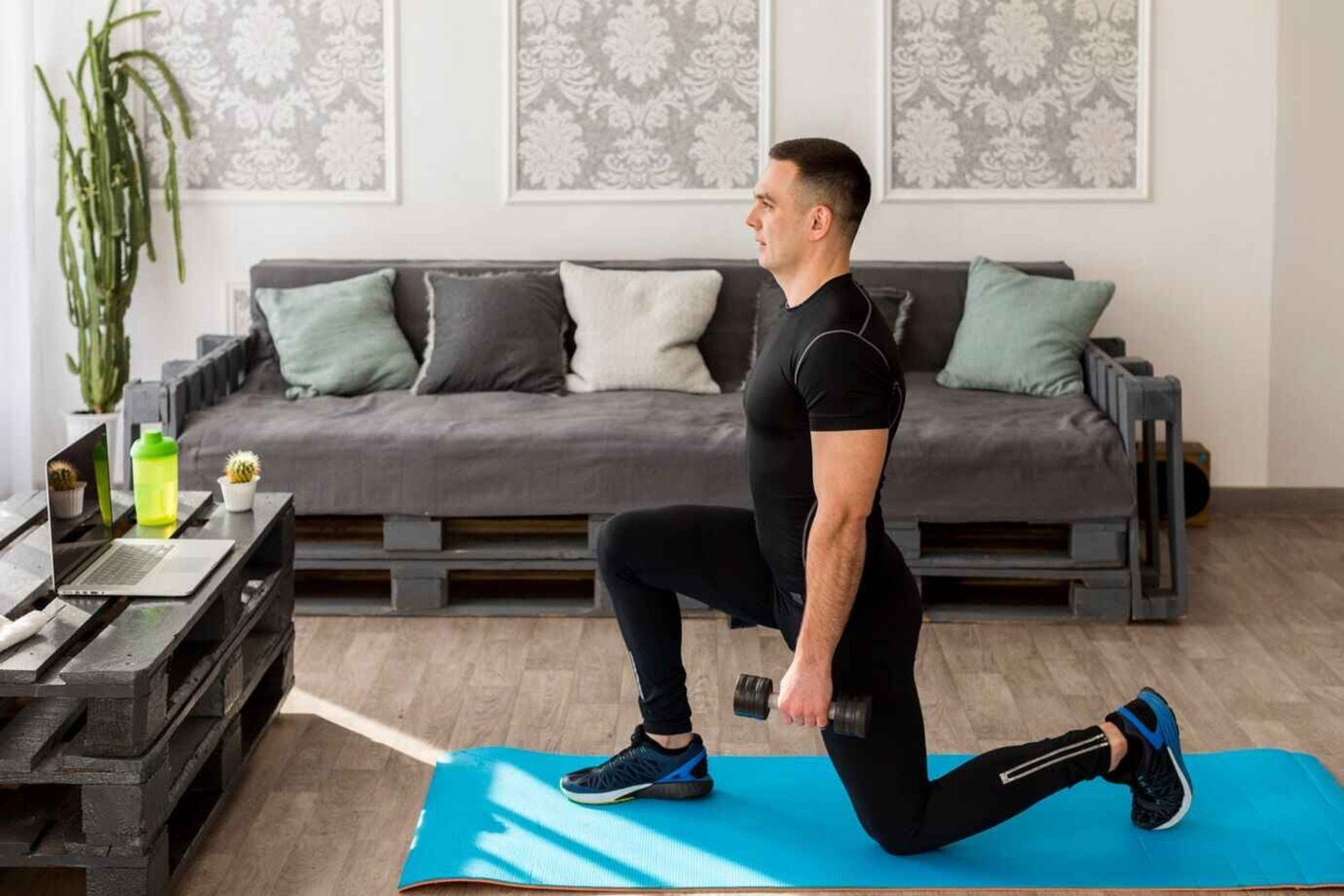
To get healthy, you don’t need the newest equipment or a fancy gym. Your best tool is your body.
Tips:
- For workouts, use free fitness applications like YouTube.
- Perform jumping jacks, planks, lunges, squats, and push-ups.
- Walk, jog, or take a journey through your neighborhood or park.
Health should be accessible to everyone, and thankfully, it can be.
5. “Healthy Eating is Too Hard or Expensive”

Eating healthy doesn’t require expensive meal planning or unusual superfoods. Start out easy.
Tips:
- Stock up on pantry essentials and shop in bulk.
- To keep organized, use apps for meal planning.
- Your best friend is leftovers—cook once, eat twice.
Fresh and frozen produce are equally nutrient-dense and frequently less expensive.
6. “I Feel Self-Conscious or Intimidated”
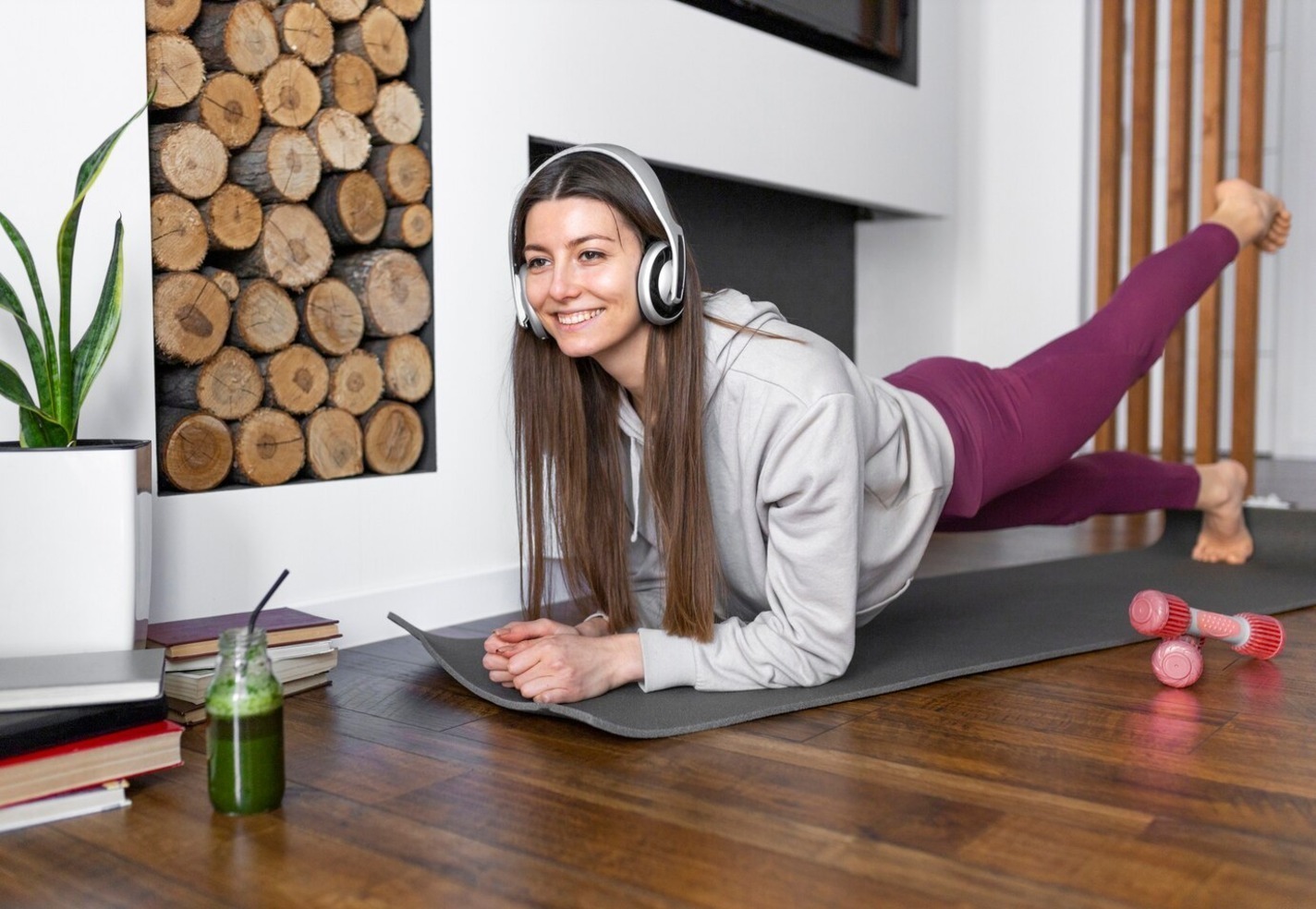
It can be uncomfortable to start, particularly if you’re afraid of being judged or don’t know how to operate the gym equipment.
Tips:
- Start at home until you gain self-assurance.
- Put on clothes that bring you joy.
- Keep in mind that everyone begins somewhere, and the majority of people are preoccupied with their own training.
With each workout you finish, your confidence increases.
7. “I Always Fall Off Track”
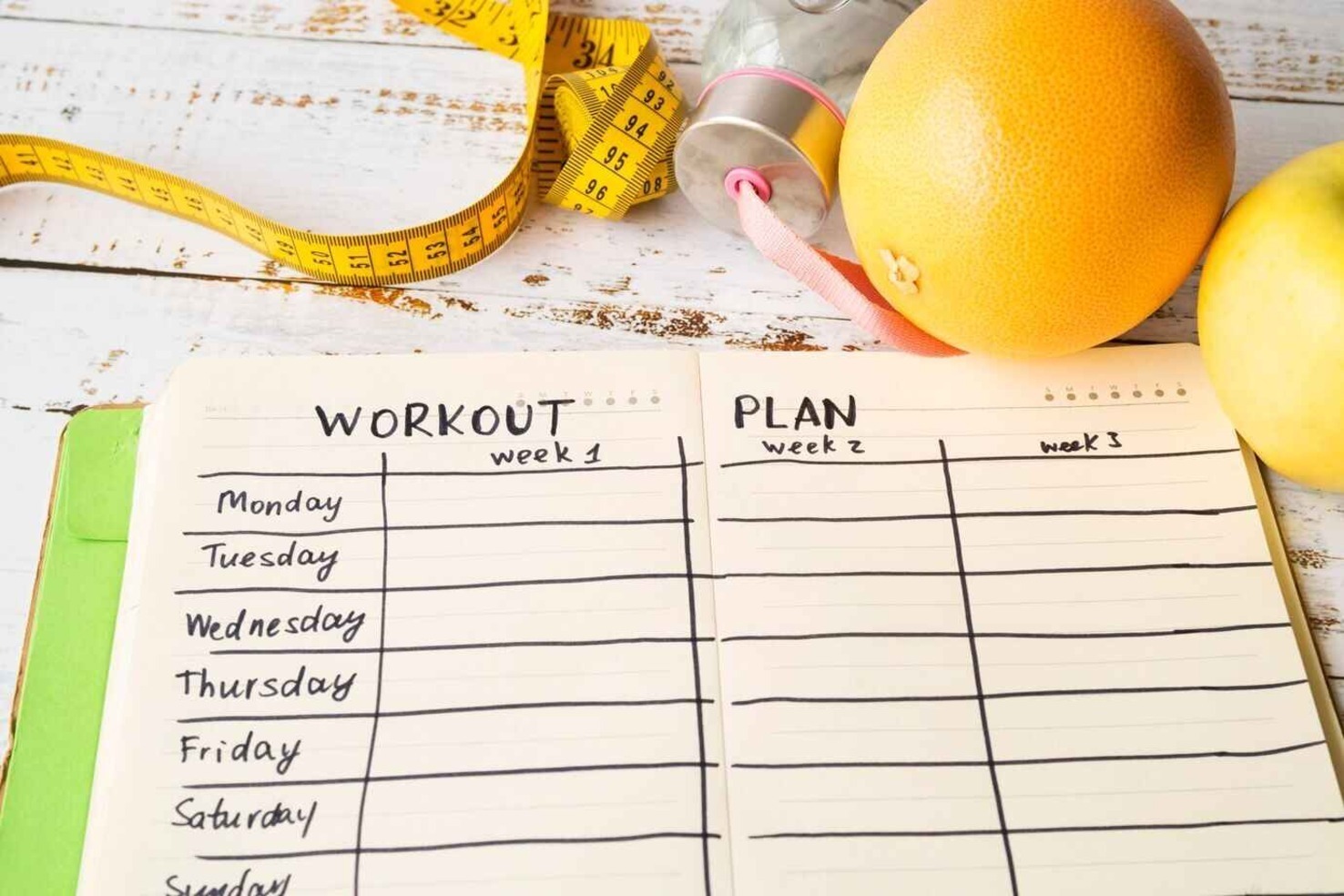
Eating one bad meal or skipping one workout isn’t failure; it’s life.
Tips:
- Give up the “all or nothing” mentality.
- Establish procedures that are adaptable.
- Prioritize progress over perfection.
Unless you give up, mistakes don’t erase your progress. Continue.
8. “I Have an Injury or Health Condition”

Movement may be restricted by chronic pain, a past injury, or a recognized illness, but it is not impossible.
Tips:
- Find out from your physician or physical therapist which activities you can engage in and which you should avoid.
- Yoga, swimming, and cycling are examples of low-impact forms of exercise that might be excellent choices.
- Always pay attention to your body and perform workouts according to your capabilities.
Get the correct quantity of movement; it’s like medicine.
Final Thoughts: Build a Life That Supports Your Health
Health isn’t about doing everything perfectly. It’s about doing what you can with what you have. By identifying your barriers and approaching them with practical solutions, you’re already ahead of the game.
The key is consistency over time. Take one step today—walk a little, cook a meal, or drink more water. Then do it again tomorrow.
Your future self will thank you.
FAQs
What are the most common barriers to starting a fitness routine?
The most common barriers include lack of time, low motivation, financial constraints, limited access to equipment or gyms, and fear of failure or injury.
How can I stay motivated to exercise regularly?
Set realistic goals, track your progress, find a workout buddy, schedule workouts like appointments, and reward yourself for small milestones to stay motivated.
What are low-cost solutions for people who can’t afford a gym?
You can try home workouts using free YouTube videos or apps, use bodyweight exercises, walk or run outdoors, or join community fitness programs.
How do I find time to work out with a busy schedule?
Prioritize short workouts like 15–20-minute routines, wake up earlier, multitask (like walking during phone calls), or break workouts into small segments during the day.
What should I do if I feel too tired to exercise?
Start with light activities like stretching or walking. Often, movement increases energy levels. Also, assess sleep, nutrition, and hydration—they affect energy for workouts.
Can mental health impact fitness motivation?
Yes, conditions like stress, anxiety, or depression can lower motivation. Regular physical activity helps improve mood, but seek professional support if needed.
Urooj Ahmad is the founder of DignifiedInfo, where she shares practical, research-based insights on health, fitness, and lifestyle. Her goal is to simplify complex wellness topics and help readers build sustainable habits for long-term health and success.
This content is for informational and educational purposes only and should not be considered medical advice. Always consult a qualified healthcare professional before making changes to your diet, exercise routine, or addressing any medical concerns.
