

Introduction
The way we work out has changed drastically—and it’s all thanks to AI-powered fitness apps. Gone are the days of cookie-cutter routines and guesswork. Today, artificial intelligence can personalize your entire fitness journey, from workout intensity to nutrition timing. But with so many apps promising life-changing results, which ones are truly effective?
In this post, I’ll walk you through the top 5 AI-powered fitness apps that actually work in 2025. These apps are data-driven, user-friendly, and most importantly, results-oriented. Whether you’re looking to build muscle, burn fat, or boost mental clarity, there’s an AI app here to meet your goals.
Why AI-Powered Fitness Apps Are Gaining Popularity in 2025
AI-powered fitness apps are becoming increasingly popular in 2025 because they offer a level of personalization that traditional workout plans simply can’t match. Instead of following a one-size-fits-all routine, these apps analyze your performance, habits, and goals to create workouts that actually fit your lifestyle.
What makes them even more appealing is their ability to adapt in real time. If you skip a session, feel tired, or improve faster than expected, the app adjusts your plan accordingly. This flexibility helps users stay consistent without feeling overwhelmed or burned out.
Another reason behind their growing popularity is convenience. Whether you’re at home, in the gym, or traveling, AI-powered fitness apps make it easy to stay on track without needing a personal trainer. For many people, this balance of smart technology and simplicity is exactly what makes these apps so effective.
Quick Comparison: Best AI-Powered Fitness Apps in 2025
| App Name | Best For | Free Version | Key Feature |
|---|---|---|---|
| Fitbod | Gym-goers & strength training | Yes | Adaptive resistance training |
| Freeletics | At-home, no-equipment workouts | Yes | Smart AI coach that adapts to your input |
| Whoop Coach | Recovery & athletic performance | No | Real-time coaching based on biometrics |
| Lifesum | Personalized nutrition | Yes | AI-generated meal plans based on your goals |
| Aaptiv Coach | Guided audio workouts & routines | Yes | AI selects workouts based on mood and energy |
Top 5 AI-Powered Fitness Apps That Actually Work
Fitbod – Smart Strength Training
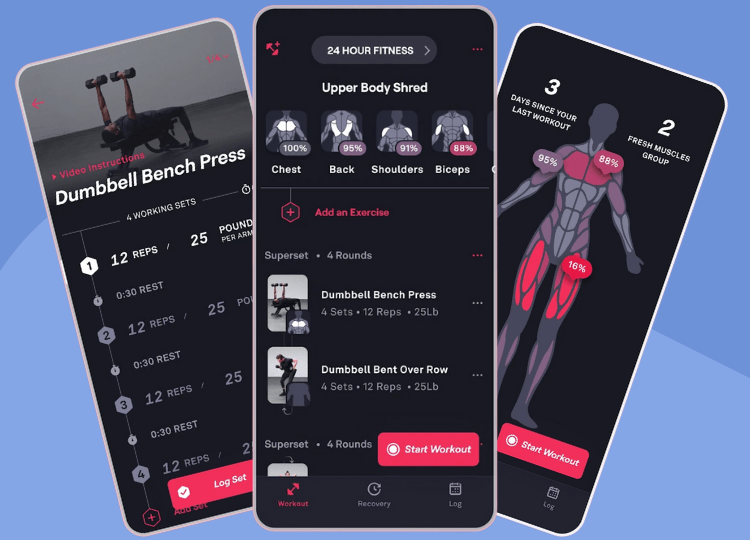
Fitbod is one of the most powerful AI-powered fitness apps on the market. Designed for those who love strength training, it builds customized workout plans based on your available equipment, previous performance, and recovery status.
The app uses AI to analyze your past lifts, then generates a plan to help you grow stronger efficiently. Over time, the app learns from your progress and tweaks future workouts accordingly.
Key Highlights:
- Real-time adjustments to sets and reps
- Tracks muscle recovery
- Syncs with Apple Health & Strava
- Suitable for beginner to advanced levels
Freeletics – The Personalized AI Bodyweight Coach
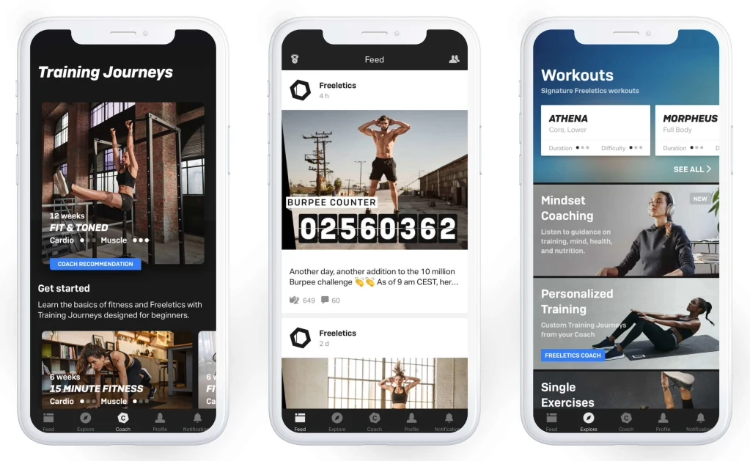
If you’re someone who prefers working out at home or on the go, Freeletics is ideal. Based on real-time input, this AI coach on a mobile device modifies your training regimen. Just tell the app how a workout felt, and the AI will modify the next one accordingly.
The sessions are short, effective, and tailored to your fitness level. Additionally, the exercises don’t require any equipment, making them ideal for people who hate going to the gym or travel frequently.
Why It Works:
- Personalized training journeys
- High user engagement and motivation
- Flexible weekly goals
- Community-based challenges
Whoop Coach – Optimized Recovery & Performance
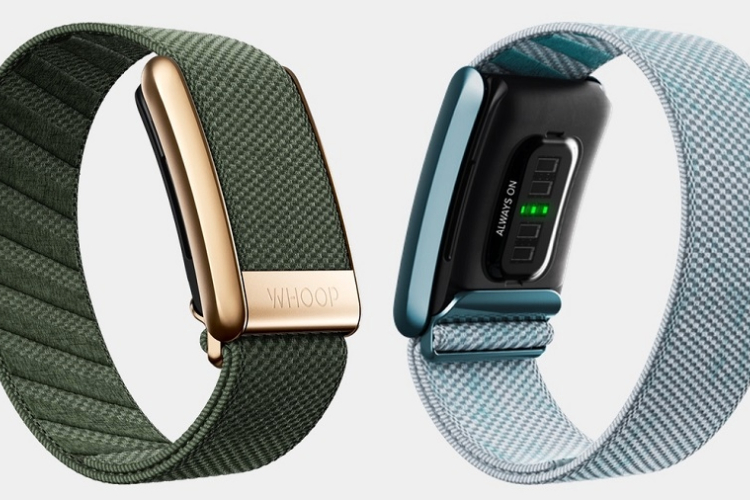
Whoop Coach isn’t your average fitness app. It’s paired with a wearable band that collects continuous biometric data like heart rate, HRV, and sleep quality. The AI coach then interprets the data and recommends exactly how hard (or easy) you should train.
This app is popular among elite athletes, but even casual fitness lovers can benefit from it. Surprisingly, many users find they’ve been overtraining—and this app helps prevent burnout.
Key Features Include:
- Recovery scoring
- Strain coaching for workouts
- AI sleep analysis
- Deep health metrics dashboard
Lifesum – AI Nutrition Assistant
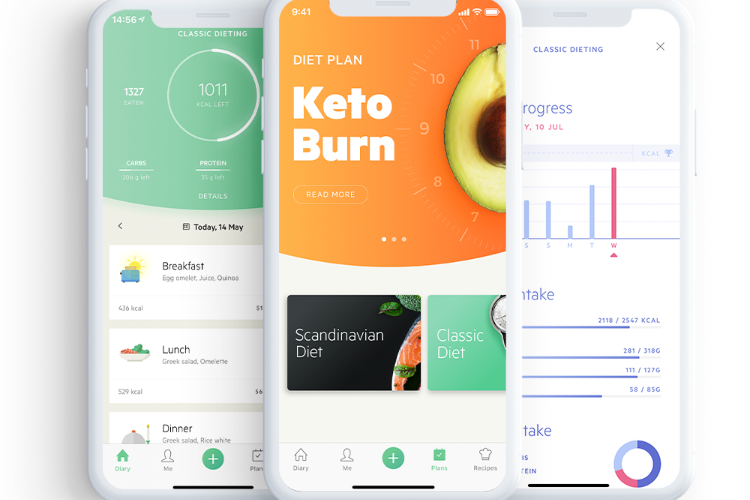
Fitness isn’t just about movement. What you eat is just as important—and that’s where Lifesum shines. This app uses artificial intelligence to build customized meal plans that align with your fitness goals, food preferences, and even DNA (if linked).
Whether you’re doing keto, high protein, plant-based, or simply trying to eat cleaner, Lifesum makes it easy to track macros and nutrients. Over time, the app learns what meals you enjoy most and provides smarter recommendations.
What You’ll Love:
- Barcode scanner for instant food logging
- AI-based macro and calorie guidance
- Smart meal prep suggestions
- Syncs with fitness trackers
Interestingly, many meal suggestions are automatically generated based on past input—no extra work from you.
Aaptiv Coach – Guided Audio AI Workouts
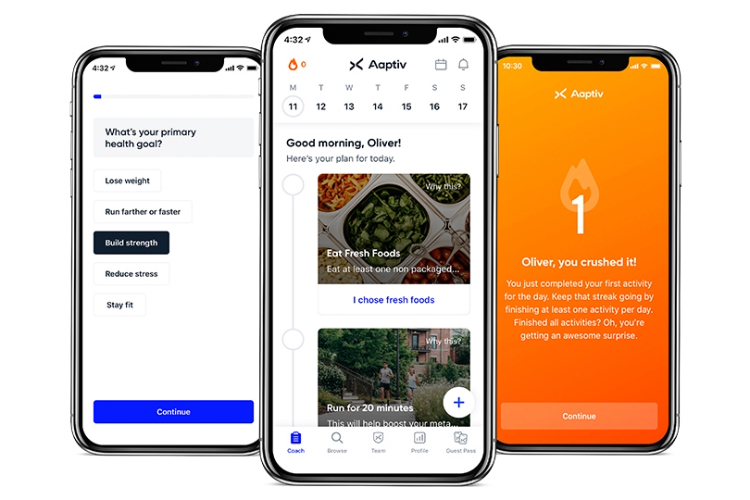
If you enjoy music or voice-guided workouts, Aaptiv Coach is worth checking out. This AI-powered fitness app curates workouts based on your energy, goals, and available time. Having a personal trainer speak encouraging words into your ear is similar to that.
Every session is specially designed to fit your current mood. Additionally, users report feeling more connected and less distracted due to the immersive audio experience.
Standout Features:
- Mood-based workout generation
- Audio-based coaching with real-time cues
- Ideal for running, walking, yoga, and meditation
- Combines cardio and mindfulness seamlessly
Daily workouts are created based on input like stress levels, sleep, and soreness. Because of this, you’re always training smarter, not harder.
These AI-powered fitness apps are designed to make workouts smarter and more effective.
How to Choose the Right AI Fitness App for Your Goals
Choosing the right AI-powered fitness app depends on your personal goals, lifestyle, and how you prefer to train. Not every app is designed for the same purpose, so it’s important to pick one that aligns with what you actually want to achieve.
If your goal is to build muscle or improve strength, apps like Fitbod can be a great option because they focus on resistance training and progressive overload. On the other hand, if you prefer home workouts without equipment, apps like Freeletics offer flexible routines that fit into any schedule.
For those who want to improve recovery, sleep, and overall performance, wearable-based apps like Whoop Coach provide deeper insights using real-time data. Similarly, if your main focus is nutrition and healthy eating, apps like Lifesum can help you track calories and create personalized meal plans.
Honestly, the best approach is to start simple. Choose one app, use it consistently for a few weeks, and see how your body responds. The right app is not just the most advanced one—it’s the one you can stick with long-term.
Final Thoughts: Which App Should You Choose?
| Goal | Recommended App |
|---|---|
| Build muscle in the gym | Fitbod |
| Burn fat with no equipment | Freeletics |
| Focus on recovery & sleep | Whoop Coach |
| Improve your eating habits | Lifesum |
| Stay motivated with audio | Aaptiv Coach |
Your fitness level, objectives, and preferred style will all play a role in selecting the best app. All five of these AI-powered fitness apps offer real benefits—and most have a free version to get started.
Honestly, the best app is the one you actually enjoy using every day.
Conclusion
In 2025, working out is no longer just about effort—it’s about intelligent effort. By using AI-powered fitness apps, you give yourself a smarter, more personalized, and more sustainable path to better health.
Ready to train with tech? Download one of these apps and experience the future of fitness—today.
FAQs
Are AI fitness apps more effective than traditional workout plans?
Yes, AI fitness apps often provide real-time personalization, adjust workouts based on your progress, and offer data-driven insights. They adapt to your fitness level and goals, which can improve consistency and results compared to generic plans.
What features should I look for in an AI-powered fitness app?
Look for features like adaptive workout plans, motion tracking, real-time feedback, progress analytics, habit tracking, and integration with wearables like smartwatches or fitness bands.
Are there free AI fitness apps available in 2025?
Yes, several AI-powered apps offer free versions with basic features. Examples include Freeletics, Fitbod (limited access), and Nike Training Club. For more advanced AI features, you may need to upgrade to premium plans.
Can AI apps customize workouts for beginners and advanced users?
Absolutely. AI fitness apps typically assess your fitness level and goals to create beginner-friendly routines or advanced training plans, adjusting as your performance improves over time.
Do AI-powered fitness apps work without gym equipment?
Many AI fitness apps offer equipment-free or bodyweight workouts that can be done at home. Some even detect available equipment and adjust plans accordingly.
How accurate are AI fitness apps for tracking calories and workouts?
AI apps use algorithms and data from your input and devices to estimate calories and workout intensity. While not 100% precise, many are quite accurate, especially when synced with wearables.
Are AI fitness apps safe for people with injuries or health conditions?
Most AI fitness apps are designed for general use and may not replace advice from a healthcare professional. If you have injuries or health conditions, consult a doctor or use apps that include injury-safe routines and allow you to set limitations.
About the Author
Urooj Ahmad is the founder of DignifiedInfo, where she writes about health, fitness, and emerging technology trends. Her goal is to provide practical, research-informed insights that help readers make smarter lifestyle and wellness decisions.
Disclaimer
This article is for informational purposes only and does not replace professional medical or fitness advice. Always consult a qualified healthcare provider or certified fitness professional before making changes to your health or exercise routine.
