

Introduction
We’ve all been there—you skip one workout, then another, and suddenly weeks pass without any exercise. At first, it doesn’t seem like a big deal. After all, rest is essential for recovery. However, taking too long off can gradually undo the progress you worked so hard to achieve.
Your energy starts to dip, motivation fades, and your body slowly adapts to a less active routine. That’s where things become tricky.
Understanding what happens when you stop exercising can help you catch these changes early and get back on track before losing momentum completely.
Quick Overview – Effects of Skipping Workouts
Why Consistency Is Key in Fitness
Skipping a workout occasionally is completely normal—life gets busy. But when missed sessions become frequent, your progress begins to decline.
Exercise isn’t only about appearance. It plays a vital role in:
- Maintaining heart health
- Building and preserving muscle strength
- Supporting mental well-being
- Improving mobility and flexibility
Let’s explore what happens step by step when you stop working out.
1–3 Days Without Exercise: Minimal Impact
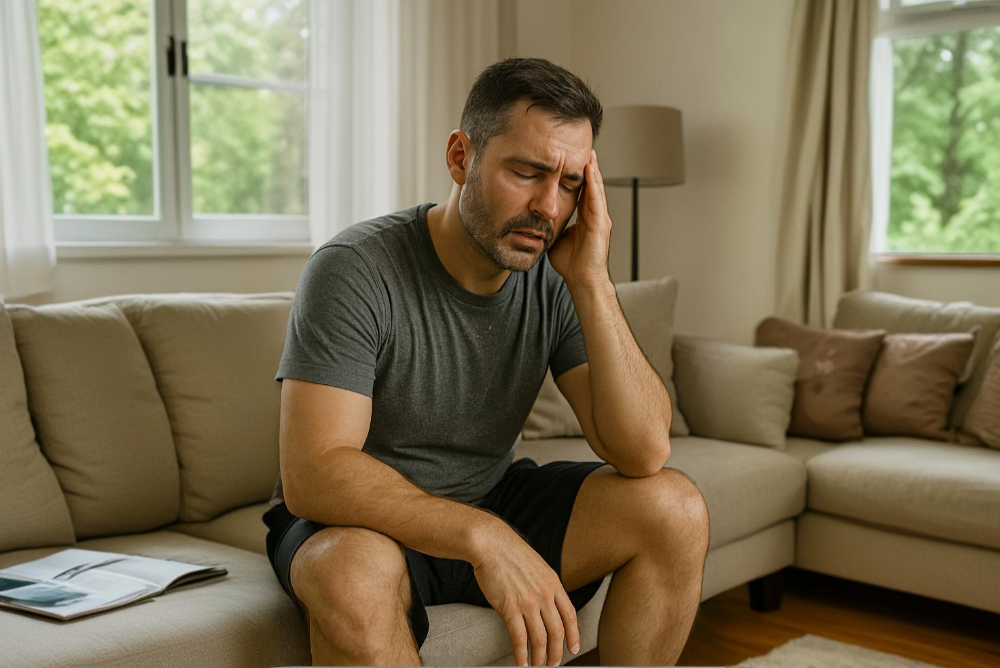
Missing a couple of days is not a major setback. In fact, short breaks can sometimes help your body recover.
Physical Effects
- Slight muscle stiffness or soreness when you return
- Minor dip in performance
- Temporary weight fluctuations (often due to water retention)
Mental Effects
- Mild guilt or restlessness
- Small drop in motivation
After One Week: Noticeable Changes Begin

Once you hit the one-week mark, your body starts responding to inactivity more clearly.
Physical Changes
- Cardiovascular fitness begins to decline
- Muscles lose flexibility and tone
- You may feel more tired during simple tasks
Mental & Hormonal Changes
Without regular movement, your body misses out on the natural “feel-good” hormones that exercise provides.
2–3 Weeks: Muscle Loss and Slower Metabolism
At this stage, the effects become more serious—especially if you were previously active.
Physical Effects
- Muscle loss (atrophy) begins
- Metabolism slows down
- Reduced calorie burning
- Slight imbalance in blood sugar and blood pressure
Mental & Behavioral Effects
- Loss of routine and discipline
- Decreased confidence
- Increased cravings and emotional eating
🔗 Related Article
Want to understand the deeper science behind fitness and long-term results? Explore our detailed guide on evidence-based strategies that support sustainable health and performance.
Read: Evidence-Based Techniques for Long-Term Benefits in the Science of Fitness and Health →After One Month: Significant Decline
After a month without exercise, the impact becomes clearly visible.
Physical Effects
- Noticeable loss of strength and endurance
- Weight gain, especially around the belly
- Joint stiffness and higher injury risk
- Weakened immune system
Mental Effects
- Increased anxiety or low mood
- Poor body image
- Sleep disturbances
At this point, restarting can feel harder—but it’s absolutely possible.
Long-Term Inactivity: Serious Health Risks
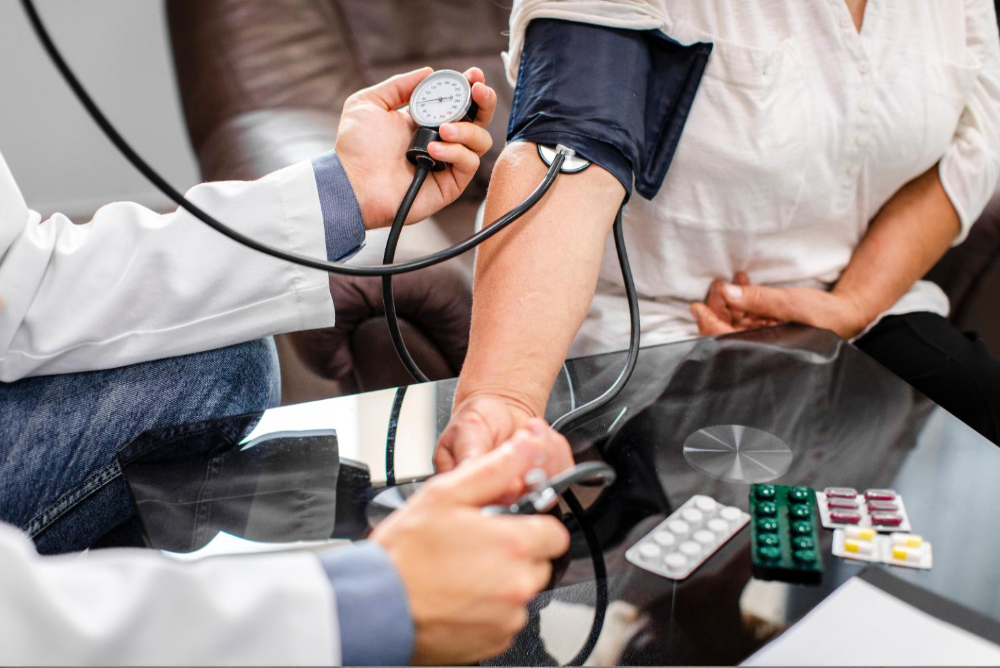
Extended periods without exercise can lead to long-term health problems.
Potential Risks
- Higher risk of heart disease
- Increased blood pressure and cholesterol
- Weight gain and insulin resistance
- Loss of bone density and muscle mass (especially in older adults)
- Chronic back pain and poor posture
Active vs. Inactive Lifestyle: A Comparison
How to Get Back on Track After a Break
If you’ve stopped working out, don’t worry—you can always restart. Here’s how to do it effectively:
1. Start Small
Begin with 20–30 minutes of light activity. Focus on consistency, not intensity.
2. Set Realistic Goals
Aim for 3 workouts per week instead of trying to do everything at once.
3. Make It Enjoyable
Try new activities like walking outdoors, home workouts, or fitness classes.
4. Track Your Progress
Use a journal or app to monitor your improvements and stay motivated.
5. Be Kind to Yourself
Don’t dwell on missed workouts. Progress comes from consistency, not perfection.
Tools to Help You Stay Consistent
| Tool | How It Helps |
|---|---|
| Workout Apps | Guided routines and tracking |
| Fitness Journal | Helps track habits and improvements |
| Smartwatch | Monitors steps, heart rate, calories |
| Accountability Buddy | Keeps you motivated and consistent |
Final Thoughts:
Missing a workout occasionally won’t harm your progress. But letting inactivity continue for weeks or months can impact both your physical and mental health.
The key is to take small steps back into your routine—even a short walk, a few exercises, or simple stretching can make a difference.
Your body is built to move. The more consistently you stay active, the better you’ll feel—both inside and out.
🔗 Trusted External Sources
If you found this helpful, explore more fitness guides on our website and start building a healthier routine today.
FAQs
A1. Within a week, your endurance may start to decline, you might feel more sluggish, and muscle recovery slows. However, you won’t lose all your progress this early.
A2. Muscle loss can begin after 2–3 weeks of inactivity, especially if your diet lacks sufficient protein. Strength fades slower than endurance.
A3. Yes, exercise boosts mood-regulating hormones like serotonin and dopamine. Skipping workouts can increase stress, anxiety, and feelings of fatigue.
A4. Yes, regular exercise keeps your metabolism active. Stopping can lead to a slower metabolic rate, making it easier to gain fat over time.
A5. Start slowly with low-impact exercises, set realistic goals, and focus on consistency. Don’t try to make up for lost time with intense sessions immediately.
A6. Yes, rest is important for recovery. Short breaks (1–2 weeks) won’t drastically affect fitness levels. Just avoid long, repeated periods of inactivity.
About the Author
DignifiedInfo Team is dedicated to providing well-researched, practical, and easy-to-understand content on health, fitness, and lifestyle. Our goal is to help readers make informed decisions and build healthier habits with confidence.
