


Introduction
When most people hear the word “protein,” they think of bodybuilders, protein shakes, and gym routines. But protein is far more than a muscle-building nutrient. In reality, it plays a central role in immune defense, metabolic regulation, hormone production, brain function, and healthy aging.
As interest in functional foods continues to grow in 2025, protein-rich whole foods are gaining recognition for their ability to support overall wellness—not just physical performance. This article explores how functional foods rich in protein contribute to muscle maintenance, immune strength, and long-term metabolic health.
Common Functional Foods Rich in Protein
To better understand how functional foods rich in protein support overall health, it helps to examine specific examples and their unique nutritional benefits. The table below highlights high-quality protein sources and explains how each contributes to muscle repair, immune strength, metabolic balance, and long-term wellness.
| Functional Food | Type of Protein | Health Benefit |
|---|---|---|
| Greek Yogurt | Casein & Whey | Gut health, muscle repair, immune support |
| Lentils | Plant-based protein | Heart health, satiety, digestive wellness |
| Eggs | Complete protein | Muscle growth, brain function, cell repair |
| Tofu | Soy protein | Hormonal balance, bone health, cholesterol control |
| Quinoa | Complete plant protein | Energy, satiety, amino acid balance |
| Chia Seeds | Plant-based protein | Omega-3s, satiety, anti-inflammatory effects |
| Salmon | Animal protein + omega-3 | Brain health, inflammation reduction, lean mass |
| Almonds | Plant-based protein | Heart health, blood sugar stability, energy |
Key Benefits of Protein from Functional Foods
Protein-rich functional foods do far more than support muscle growth. They influence multiple systems in the body, from immune defense and hormone regulation to metabolic efficiency and healthy aging. The table below summarizes the most important science-backed benefits associated with adequate protein intake from whole, functional food sources.
| Benefit | Description |
|---|---|
| Muscle Repair & Growth | Supports tissue regeneration and lean mass gain |
| Immune System Support | Amino acids help produce antibodies and enzymes |
| Hormone Regulation | Proteins act as precursors to hormones like insulin and growth hormone |
| Appetite Control & Weight Loss | Increases satiety and reduces cravings |
| Metabolic Boost | Higher thermic effect of food (TEF), aiding calorie burn |
| Enhanced Nutrient Absorption | Helps transport vitamins and minerals across cell membranes |
| Aging Support | Slows muscle wasting (sarcopenia) and maintains strength in older adults |
What Are Functional Foods, Exactly?

The term functional foods refers to the health benefits of food in addition to basic nutritional content. That means they actively support wellness, reduce disease risk, or help with recovery. Think of them as nature’s multitaskers.
Now combine that with high-quality protein, and you’ve got a nutritional powerhouse.
Examples? Greek yogurt provides probiotics and protein in a cup. Salmon gives you lean protein plus omega-3s. These aren’t just meals—they’re tools for optimizing health.
Complete vs. Incomplete Proteins: Why It Matters
Let’s break it down.
- Complete Proteins have all nine essential amino acids your body can’t produce on its own. These come from:
- Eggs
- Fish
- Poultry
- Quinoa
- Soy
- One or more necessary amino acids are absent from incomplete proteins. However, they’re still valuable. Just mix and match—like rice + beans or hummus + whole grain pita—to complete the profile.
Functional eating isn’t about perfection—it’s about balance. Quality over quantity, and synergy over supplementation.
Protein for Immune Power and Inflammation
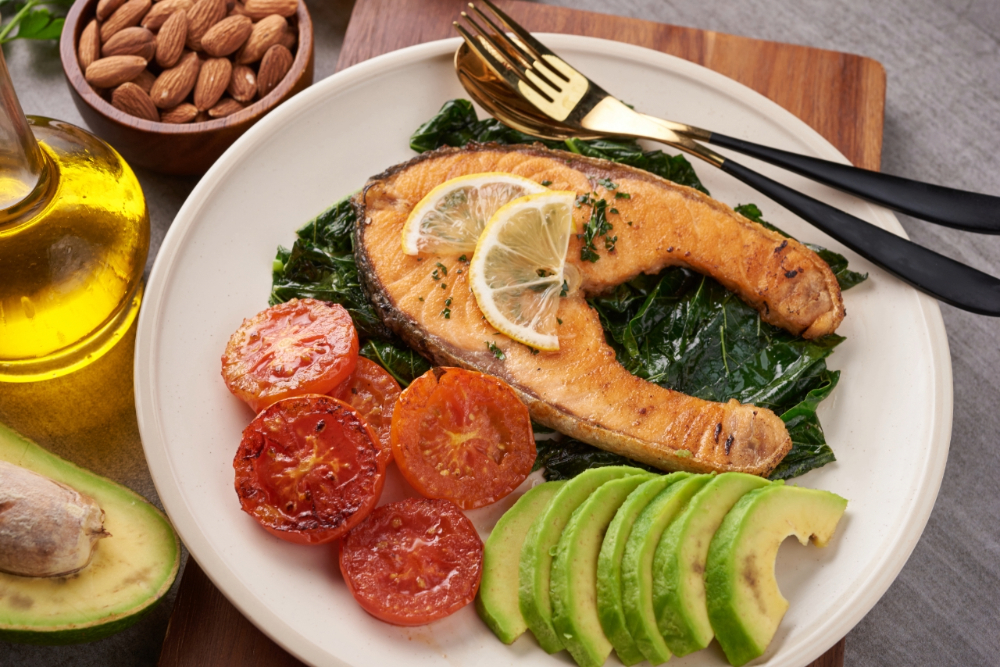
Here’s something not enough people talk about: protein boosts immunity. How?
- It fuels the production of antibodies.
- It promotes the growth of T-cells and B-cells, two types of immune cells.
- It repairs tissues damaged by inflammation.
Add in functional sources like turmeric-spiced lentils or garlic-grilled salmon, and you’re combining anti-inflammatory agents with protein. That’s smart food synergy.
In the post-pandemic world, people aren’t just eating for taste—they’re eating for resilience. And protein-rich functional foods are leading the charge.
Weight Management & Satiety: The Science
Trying to lose weight? Here’s why protein-rich functional foods are your best friend:
- High Satiety – You stay full longer, so you eat less.
- Lower Ghrelin – This “hunger hormone” drops when protein intake is high.
- More Thermic Burn – Your body works harder (and burns more calories) to digest protein compared to fats or carbs.
Functional choices like chia seed pudding, quinoa bowls, and almond protein bars not only fuel you—they regulate your appetite naturally.
No crash diets. No calorie-counting obsession. Just strategic nutrition.
Related Read: If you’re exploring whole-food approaches to nutrition, you may also benefit from understanding the science-backed benefits of the Paleo diet.
Brain Gains: Protein and Mental Health

Protein-rich functional foods also support your brain chemistry. Certain amino acids (like tryptophan and tyrosine) are building blocks for neurotransmitters such as:
- Serotonin – Regulates mood, sleep, and appetite
- Dopamine – Enhances focus and motivation
- GABA – Calms the nervous system
Try mixing up a salmon and avocado bowl or snack on pumpkin seeds—they nourish your brain while stabilizing energy and mood.
Aging Gracefully: Protein’s Role in Longevity
The term “sarcopenia” refers to the age-related, normal reduction of muscular mass. It starts around 30, accelerates after 50, and can increase your risk of falls, fractures, and fatigue.
Protein-rich functional foods help:
- Maintain muscle density
- Enhance mobility
- Reduce inflammation
- Boost bone health
Include easy staples like eggs, cottage cheese, miso soup, or lentil curry—not just for flavor but for sustainable strength.
Daily Strategy: How Much Protein Do You Really Need?
General rule:
- 0.8 grams of protein per kilogram of body weight (minimum)
- Athletes or active individuals may need up to 1.6–2.2 grams/kg
But quality trumps quantity. You’re better off getting protein from varied functional foods than overloading on powders or bars. Focus on meal balance rather than macro obsession.
Sample daily protein plan (for a 140-lb individual):
- Breakfast: Greek yogurt with chia seeds
- Lunch: Quinoa salad with chickpeas
- Snack: Handful of almonds or boiled eggs
- Dinner: Grilled salmon with steamed broccoli
You’ll hit your goals without even trying.
External Source: According to the World Health Organization (WHO), maintaining a balanced diet that includes adequate protein intake is essential for supporting muscle maintenance, immune defense, and overall metabolic health.
Conclusion: Eat Smart, Live Strong
The narrative around protein is evolving. No longer just a fitness buzzword, it’s now a foundation of functional eating. When you source your protein from nutrient-dense, health-enhancing foods, you’re not just building muscle—you’re building resilience, clarity, and longevity.
So the next time you think about protein, don’t just count grams—choose foods that heal, energize, and protect.
FAQs
A1. Functional foods are foods that offer health benefits beyond basic nutrition. When enriched with protein, they help improve muscle repair, metabolism, and overall wellness.
A2. Most adults need about 0.8 grams of protein per kilogram of body weight daily, but needs may increase based on activity level, age, or health goals.
A3. Top protein-rich functional foods include Greek yogurt, tofu, quinoa, eggs, lentils, chia seeds, and protein-enriched nut butters.
A4. Yes, plant-based proteins can be just as effective if you combine them to get a complete amino acid profile—for example, rice and beans or lentils and quinoa.
A5. Yes. Excessively high protein intake may not be suitable for individuals with certain medical conditions, especially kidney disease. It’s important to stick to recommended intake levels unless guided by a health professional.
About the Author
Urooj Ahmad is the founder of DignifiedInfo, where she writes about evidence-based health, nutrition, and sustainable wellness strategies. Her content focuses on translating scientific research into practical guidance for everyday life.
Medical Disclaimer
This article is for informational and educational purposes only and does not constitute medical advice, diagnosis, or treatment. Always consult a qualified healthcare professional before making changes to your diet, supplement routine, or health plan—especially if you have an existing medical condition.
